Spanning Tree Operation
161
An administrator can put a port in disabled state, or if a failure with the
port occurs, the switch will put it into disabled state.
Typically, switch ports are in either blocking or forwarding state. A for-
warding port is a port that has been determined to have the lowest cost to the
root bridge. However, if the network has a topology change because of a
failed link, or the administrator adds a new switch to the network, the ports
on a switch will be in listening and learning states.
Blocking ports are used to prevent network loops. Once a switch deter-
mines the best path to the root bridge, all other ports will be in blocking
state. Blocked ports will still receive BPDUs.
If a switch determines that a blocked port should now be the designated
port, it will go to listening state. It will check all BPDUs heard to make sure
that it won't create a loop once the port goes to forwarding state.
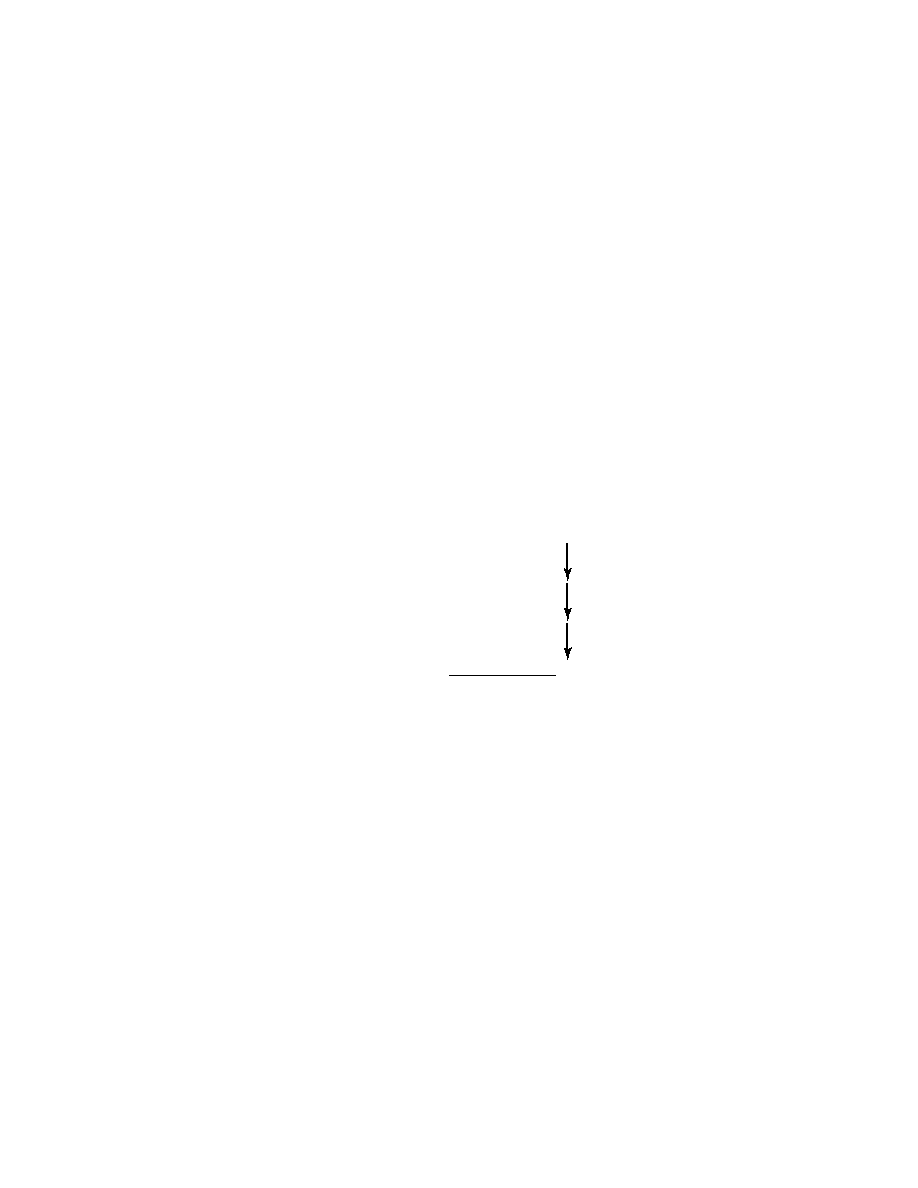
Figure 4.5 shows the default STP timers and their operation within STP.
F I G U R E 4 . 5
STP default timers
Notice the time from blocking to forwarding. Blocking to listening is
20 seconds. Listening to learning is another 15 seconds. Learning to for-
warding is 15 seconds, for a total of 50 seconds. However, the switch could
go to disabled if the port is administratively shut down or the port has a failure.
Convergence
Convergence occurs when bridges and switches have transitioned to either
the forwarding or blocking state. No data is forwarded during this time.
Convergence is important in making sure that all devices have the same
database.
The problem with convergence is the time it takes for all devices to
update. Before data can start to be forwarded, all devices must be updated.
Blocking
Listening
Learning
Forwarding
20 seconds
15 seconds
+ 15 seconds
Total = 50 seconds
Copyright ©2000 SYBEX , Inc., Alameda, CA
www.sybex.com