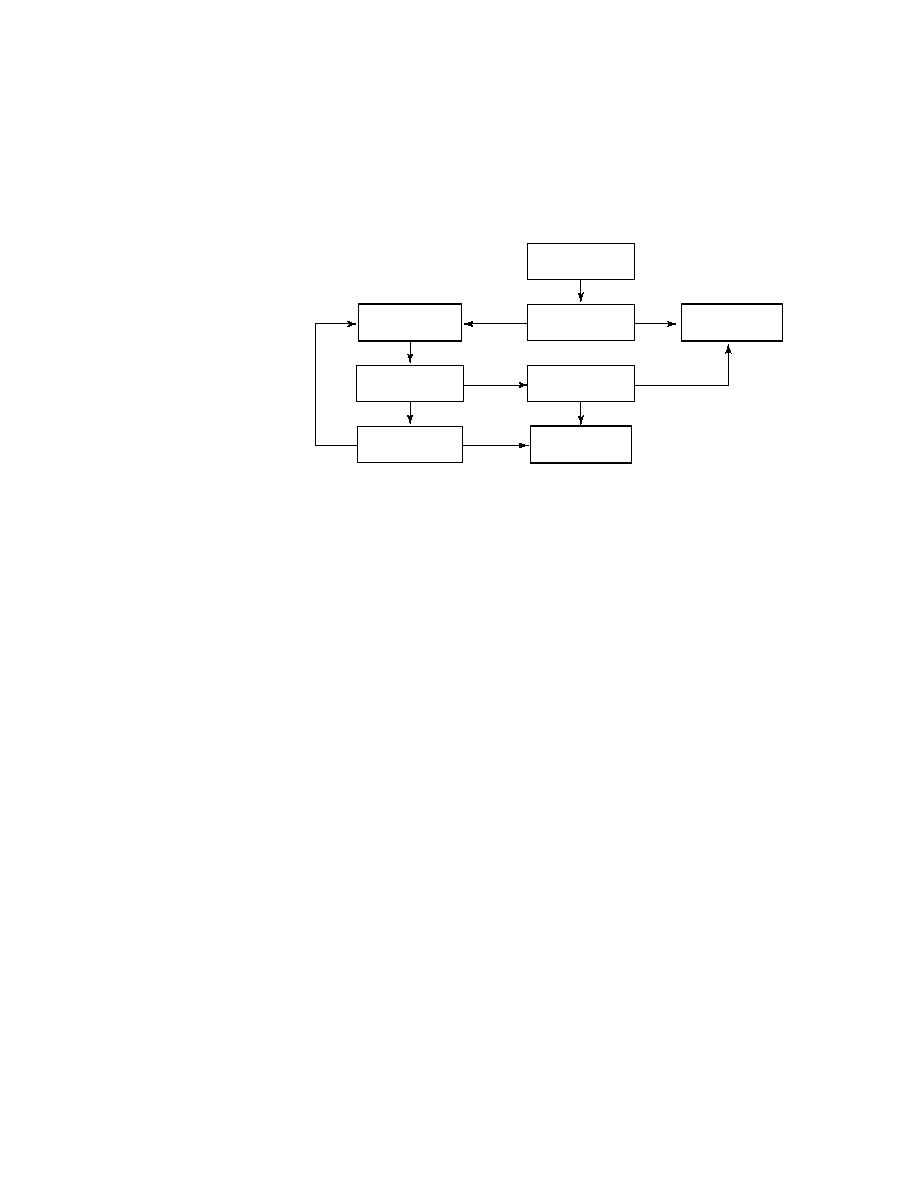
is to check whether there is an access list applied to the interface. If so, it
passes through each line of the access list until the packet's source address
matches one of the source addresses listed. If the packet fails to match any of
the source addresses, it is denied. However, if the packet's source address
does find a match in the list, the packet is then subjected to any condition
applied on that line of the access list. The two conditional possibilities are to
deny the packet or permit it. When a packet is denied, it's dropped; when it's
permitted, it's forwarded to the next hop.
forwarded through the interface. Incoming packets arrive from the forward-
ing machine or router, and are then checked against the access list. If the
packet is permitted by the list, the packet is accepted through the interface
and forwarded to the exit interface.
you can tell which interfaces to look at and analyze access lists for.
troubleshooting an access list is to read it line-by-line, and analyze it to deter-
mine whether any lines are out of order or typed incorrectly.